By Geographic Location:
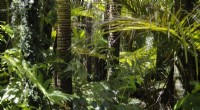
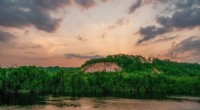
* Tropical Rainforests: Found near the equator, these forests are hot, humid, and receive high rainfall. They have the greatest biodiversity of all forest types.
* Tropical Dry Forests: Found in regions with distinct wet and dry seasons, these forests are characterized by deciduous trees that lose their leaves during the dry season.
* Temperate Deciduous Forests: Found in mid-latitude regions with four distinct seasons, these forests have trees that lose their leaves in the fall.
* Temperate Evergreen Forests: Found in cooler, wetter regions, these forests are dominated by conifers like pines, firs, and spruces.
* Boreal Forests (Taiga): Found in the northern hemisphere, these forests are characterized by cold, snowy winters and short, cool summers. They are dominated by coniferous trees.
* Montane Forests: Found at high altitudes, these forests are influenced by elevation and have unique adaptations to cold temperatures and thin air.
By Tree Type:
* Coniferous Forests: Dominated by cone-bearing trees like pines, firs, and spruces.
* Deciduous Forests: Dominated by trees that lose their leaves seasonally, such as oaks, maples, and beeches.
* Mixed Forests: Containing a mixture of coniferous and deciduous trees.
By Other Factors:
* Old-growth Forests: Forests that have never been logged or disturbed by human activity. They are typically characterized by large, old trees and a complex ecosystem.
* Second-growth Forests: Forests that have regrown after being logged or disturbed. They are typically younger and less diverse than old-growth forests.
* Planted Forests: Forests that have been established by humans, often for commercial purposes.
Specific Types:
* Mangrove Forests: Found in coastal areas, these forests are characterized by salt-tolerant trees that grow in muddy, brackish water.
* Cloud Forests: Found in mountainous areas, these forests are characterized by high humidity and frequent cloud cover.
* Bamboo Forests: Dominated by bamboo plants, these forests are found in tropical and subtropical regions.
This is just a brief overview of the many different types of forests that exist around the world. Each type has unique characteristics, adaptations, and ecological importance.