1. Temperature Changes:
* Increased temperatures: This can lead to:
* Shifting species ranges: As temperatures rise, some species will be forced to move to higher altitudes or latitudes to find suitable conditions, impacting existing ecosystems.
* Changes in phenology: This refers to the timing of biological events like breeding, flowering, and migration. Shifting phenologies can disrupt food chains and pollination cycles.
* Increased stress on organisms: Heatwaves and extreme temperatures can lead to heat stress, mortality, and reduced reproductive success for many species.
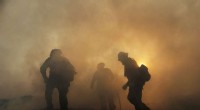
* Increased fire risk: Warmer temperatures and drier conditions increase the risk of wildfires, which can destroy habitats and release greenhouse gases.
2. Precipitation Changes:
* Increased drought: Areas receiving less rainfall can face water scarcity, impacting water-dependent species and leading to habitat degradation.
* Increased flooding: Heavier rainfall events can lead to floods, causing habitat destruction, erosion, and displacement of species.
3. Sea Level Rise:
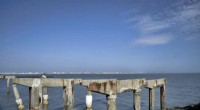
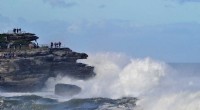
* Coastal erosion: Rising sea levels erode coastlines, shrinking coastal habitats like beaches, saltmarshes, and mangroves, displacing coastal species.
* Saltwater intrusion: As sea levels rise, saltwater can penetrate inland, contaminating freshwater sources and impacting freshwater habitats.
* Loss of island habitats: Some low-lying islands are at risk of disappearing completely under rising seas, threatening endemic species.
4. Ocean Acidification:
* Coral bleaching: Rising ocean temperatures and acidity lead to coral bleaching and mortality, affecting coral reef ecosystems that support a vast array of marine life.
* Shellfish decline: Ocean acidification makes it harder for shellfish to form their shells, impacting fisheries and coastal ecosystems.
5. Changes in Weather Patterns:
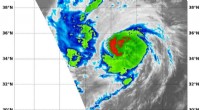
* Increased storms: More frequent and intense storms can damage habitats and disrupt ecosystems.
* Changes in wind patterns: Altered wind patterns can affect pollination, seed dispersal, and migration patterns.
6. Ecosystem Consequences:
* Biodiversity loss: Climate change can lead to extinctions of vulnerable species due to habitat loss, altered food webs, and increased competition.
* Ecosystem collapse: Habitats can be disrupted so severely that they collapse, losing their ability to provide essential ecosystem services like carbon sequestration, water purification, and food production.
Mitigation and Adaptation:
* Climate change mitigation: Reducing greenhouse gas emissions is crucial to slow the rate of climate change and its impacts on habitats.
* Climate change adaptation: Measures to adapt to the impacts of climate change are necessary to protect habitats and species. This can include restoring degraded habitats, creating wildlife corridors, and assisting species with relocation.
Understanding the complex relationship between climate change and habitats is crucial for informing conservation efforts and ensuring the preservation of biodiversity and ecosystem services for future generations.