1. Earth Systems:
* Interconnectedness: Earth's systems (atmosphere, hydrosphere, geosphere, and biosphere) are intricately interconnected and constantly interact, influencing each other.
* Cycles and Feedbacks: Processes within Earth's systems operate in cycles (e.g., water cycle, rock cycle), creating feedbacks that can amplify or dampen changes within the system.
* Dynamic Equilibrium: Earth's systems are not static but are in a dynamic equilibrium, constantly adjusting to changes and seeking balance.
2. Plate Tectonics:
* Earth's Structure: The Earth is composed of layers, with a solid inner core, a liquid outer core, a viscous mantle, and a thin, rigid outer layer called the lithosphere.
* Plate Movement: The lithosphere is broken into plates that move slowly over the mantle, driven by convection currents.
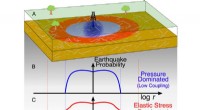
* Geological Processes: Plate interactions cause earthquakes, volcanoes, mountain formation, and ocean basin formation.
3. Earth's History and Evolution:
* Geological Time Scale: Earth's history is vast, spanning billions of years, and geologists have developed a timescale to understand the relative and absolute ages of rocks and events.
* Fossil Record: Fossils provide evidence of past life and environments, allowing us to reconstruct Earth's history and understand evolution.
* Climate Change: Earth's climate has fluctuated dramatically over time, driven by factors like plate tectonics, volcanic activity, and astronomical changes.
4. Resources and Sustainability:
* Natural Resources: Earth provides resources like water, minerals, and energy, but these are finite and unevenly distributed.
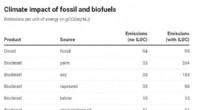
* Environmental Impact: Human activities have significant impacts on Earth's systems, leading to pollution, climate change, and resource depletion.
* Sustainability: Managing resources and minimizing environmental impacts to ensure the long-term well-being of both humans and the planet.
5. Earth in the Solar System:
* Solar System Formation: Earth formed from a swirling disk of gas and dust around a young Sun.
* Astrogeology: Studying other planets and moons in the solar system provides insights into Earth's formation and evolution.
* Earth's Unique Environment: Earth's unique combination of size, atmosphere, water, and distance from the Sun has created an environment suitable for life.
6. Earth's Future:
* Climate Change: Ongoing human-caused climate change poses significant challenges to Earth's systems and human societies.
* Natural Disasters: Earthquakes, volcanoes, tsunamis, and other natural hazards can cause significant damage and loss of life.
* Resource Management: Sustainable management of resources is crucial for future generations.
These are just some of the big ideas in Earth science, and they are constantly being refined and expanded upon as we learn more about our planet. By studying these concepts, we can gain a deeper understanding of the Earth's intricate workings and our role in its future.