Scientists:
* Environmental Scientists: They study the interactions between living organisms and their physical environment, including air, water, and land.
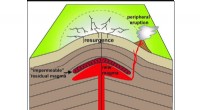
* Geologists: They study the Earth's physical structure, composition, and processes, including rocks, minerals, and geological formations.
* Climatologists: They study the Earth's climate system, including weather patterns, temperature changes, and the effects of climate change.
* Oceanographers: They study the oceans, their physical and chemical properties, and the organisms that live there.
* Ecologists: They study the interactions between organisms and their environment, focusing on populations, communities, and ecosystems.
* Biologists: They study living organisms, including their structure, function, growth, evolution, and distribution.
Other Professionals:
* Environmental Engineers: They develop solutions to environmental problems, such as pollution control and waste management.
* Resource Managers: They work to protect and manage natural resources, including forests, water, and wildlife.
* Policy Makers: They develop and implement environmental policies and regulations.
* Economists: They study the economic impact of environmental issues and resource use.
* Social Scientists: They study the human dimensions of environmental issues, including social impacts, public perception, and behavior.
* Urban Planners: They design and manage cities in a way that minimizes environmental impact.
These are just some of the many professionals who contribute to the understanding and protection of Earth's environment and resources. They work together to address complex environmental challenges and build a sustainable future.