Focusing on the interaction between humans and the environment:
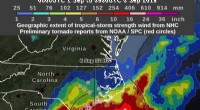
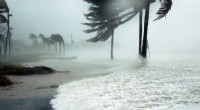
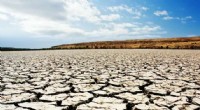
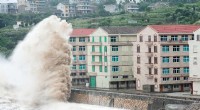
* Climate Change and its Impacts: Studying how climate change affects different regions, populations, and ecosystems, including rising sea levels, extreme weather events, and changes in agricultural yields.
* Urban Sprawl and Sustainability: Analyzing how urban expansion affects surrounding landscapes, natural resources, and biodiversity, and exploring sustainable urban development strategies.
* Deforestation and Land Use Change: Investigating the causes and consequences of deforestation, including loss of biodiversity, soil erosion, and climate change, and exploring alternative land management practices.
* Pollution and Environmental Health: Studying the impact of various types of pollution (air, water, soil) on human health and the environment, and identifying mitigation measures.
* Resource Management: Examining how natural resources like water, minerals, and energy are managed, considering their environmental impact and sustainable use.
Focusing on specific environmental issues:
* Biogeography: Studying the distribution of plants and animals across the Earth, and the factors influencing their geographical patterns.
* Geomorphology: Examining the formation and evolution of landforms, including mountains, rivers, and coastlines, and their impact on the environment.
* Hydrology: Investigating the movement and distribution of water in the environment, including rainfall, runoff, and groundwater flow.
* Soil Science: Studying the formation, properties, and management of soils, considering their role in supporting plant life and human activities.
* Biodiversity Conservation: Analyzing the distribution of biodiversity, identifying hotspots and threats, and developing conservation strategies.
Applications of Environmental Geography:
* Environmental Planning: Developing sustainable development plans for cities, regions, and ecosystems.
* Environmental Impact Assessment: Assessing the potential environmental impacts of human activities, such as infrastructure projects and industrial development.
* Disaster Risk Reduction: Understanding and mitigating the risks of natural disasters, such as floods, droughts, and earthquakes.
* Climate Adaptation: Developing strategies for adapting to the impacts of climate change, such as rising sea levels and extreme weather events.
* Environmental Education and Advocacy: Raising awareness about environmental issues and advocating for sustainable practices.
These are just a few examples, and the field of environmental geography is constantly evolving to address new environmental challenges and opportunities.