1. Hills and Low Mountains:
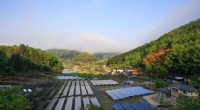
* Rolling Hills: These gentle slopes are often formed by erosion and deposition of sediment, creating a varied landscape with valleys and ridges.
* Low Mountains: These areas are typically formed by geological uplift or volcanic activity, providing higher elevations and different microclimates.
2. Rivers and Streams:
* River Valleys: Rivers carve out valleys over time, leaving fertile land and providing a source of water for the forest.
* Floodplains: Areas adjacent to rivers that are periodically flooded, creating fertile soil ideal for certain plant and animal life.
* Meanders: Curving bends in rivers created by erosion and deposition, adding complexity to the landscape.
3. Glaciated Landscapes:
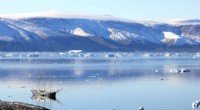
* Moraine: Deposits of rock and sediment left behind by glaciers, forming hills and ridges.
* Kettle Lakes: Depressions in the landscape created by melting ice blocks, often filled with water to form lakes.
* Esker: Long, winding ridges of sand and gravel deposited by meltwater streams flowing under glaciers.
4. Other Landforms:
* Caves: Natural underground openings formed by erosion or weathering, providing shelter for animals and unique ecosystems.
* Sinkholes: Depressions in the ground formed by the collapse of underlying rock, often found in areas with soluble rock.
* Bluffs: Steep cliffs formed by erosion, often marking the boundaries of rivers or valleys.
Factors Influencing Landforms:
* Climate: Precipitation and temperature patterns influence erosion, weathering, and vegetation, shaping the landforms.
* Geology: The underlying rock type and structure play a crucial role in determining the landforms.
* Tectonic Activity: Geological movements can create mountains, valleys, and other features.
* Human Activity: Land use, agriculture, and urbanization can also impact the landforms in deciduous forests.
Examples of Deciduous Forest Landforms:
* Appalachian Mountains: A range of mountains in eastern North America with a variety of landforms, including hills, valleys, and plateaus.
* Great Smoky Mountains: A mountain range in the southeastern United States, known for its rugged peaks and diverse plant and animal life.
* Ohio River Valley: A large valley in the eastern United States, carved out by the Ohio River and characterized by rolling hills and fertile farmland.
Understanding the landforms of deciduous forests is crucial for comprehending the unique ecosystems and biodiversity they support. The diverse landscapes provide habitats for a wide variety of plants and animals, making these forests vital for global biodiversity.