1. Observation and Data Collection: Geographers use various methods to observe and collect data about the Earth, including:
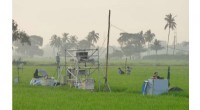
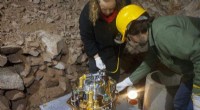
* Fieldwork: Direct observation, measurement, and data collection in the real world.
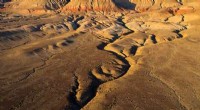
* Remote sensing: Using satellites and aerial imagery to collect data from afar.
* Geographic Information Systems (GIS): Software tools to analyze, manage, and display geographic data.
* Statistical analysis: Using quantitative methods to analyze collected data.
2. Hypothesis Formation: Based on observations and data, geographers formulate hypotheses about the relationships between different geographic phenomena.
3. Experimentation and Testing: Geographers use various methods to test their hypotheses. This can include:
* Controlled experiments: Conducting experiments in a controlled environment to isolate variables.
* Modeling: Using computer models to simulate real-world processes and test hypotheses.
* Comparative analysis: Comparing different regions or time periods to understand the factors that influence geographic patterns.
4. Analysis and Interpretation: Geographers analyze data and results to draw conclusions and interpret their findings. They use scientific principles to explain the observed patterns and relationships.
5. Communication of Results: Geographers communicate their findings through scientific publications, presentations, maps, and other forms of visual representation.
6. Interdisciplinary Nature: Geography draws upon knowledge and methods from various other disciplines, including geology, biology, sociology, economics, and political science. This interdisciplinary approach allows geographers to provide a more comprehensive understanding of the Earth's systems and human-environment interactions.
In summary, geography uses a systematic, evidence-based approach to study the Earth, making it a legitimate scientific discipline.
Here are some examples of how geographic research contributes to our understanding of the world:
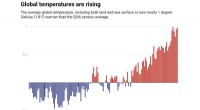
* Climate change: Geographers study the impact of climate change on different regions and populations.
* Natural disasters: Geographers map and analyze the spatial patterns of natural disasters and develop strategies for mitigation and response.
* Urban planning: Geographers provide insights into the spatial patterns of cities and contribute to sustainable urban development.
* Resource management: Geographers study the distribution and management of natural resources, such as water, land, and minerals.
Geography's focus on the spatial distribution of phenomena and the relationships between humans and their environment makes it a crucial field for addressing critical global challenges and shaping a more sustainable future.