1. Plate Tectonics:
* Continental Drift: The Earth's crust is made up of large plates that move and interact, causing continents to shift positions over millions of years. This movement is responsible for the formation of mountains, volcanoes, and earthquakes.
* Subduction: When one plate slides beneath another, it can cause volcanic activity and mountain formation.
* Seafloor Spreading: At mid-ocean ridges, new oceanic crust is created as magma rises from the Earth's mantle.
2. Weathering and Erosion:
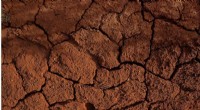
* Weathering: The breakdown of rocks, soil, and minerals through physical and chemical processes. Physical weathering involves the breaking down of rocks into smaller pieces due to factors like temperature changes, frost wedging, and abrasion. Chemical weathering involves the alteration of rock's chemical composition through processes like oxidation, dissolution, and hydrolysis.
* Erosion: The transport of weathered material by wind, water, ice, or gravity. This process can create canyons, valleys, beaches, and other landforms.
3. Volcanic Activity:
* Eruptions: The release of molten rock (magma), ash, and gases from beneath the Earth's surface. Volcanic eruptions can create new landmasses, alter landscapes, and influence climate.
4. Earthquakes:
* Tectonic Shifts: Sudden movements along fault lines in the Earth's crust, releasing energy in the form of seismic waves. Earthquakes can cause ground shaking, tsunamis, and landslides.
5. Glaciation:
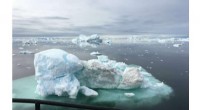
* Ice Sheets and Glaciers: Massive bodies of ice that can carve valleys, create fjords, and deposit glacial sediments.
6. Water Cycle:
* Precipitation, Runoff, and Evaporation: The continuous movement of water on, above, and below the surface of the Earth. This cycle plays a crucial role in shaping landscapes through erosion, deposition, and weathering.
7. Solar Radiation:
* Climate and Weather Patterns: The sun's energy drives the Earth's climate system and creates weather patterns, which in turn influence erosion, weathering, and biological processes.
8. Biological Processes:
* Plant Roots: Can break up rocks and contribute to soil formation.
* Animals: Can create burrows, trails, and other features that modify landscapes.
* Microorganisms: Can break down organic matter, decompose rocks, and contribute to soil fertility.
These natural forces are constantly interacting and shaping the Earth's surface. Understanding these forces is essential for comprehending the planet's history, predicting future changes, and managing its resources sustainably.