For the Environment:
* Oxygen Production: Trees absorb carbon dioxide and release oxygen through photosynthesis, contributing to the air we breathe.
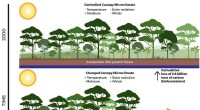
* Climate Regulation: Forests act as carbon sinks, absorbing and storing massive amounts of carbon dioxide, mitigating climate change.
* Water Cycle Regulation: Trees help regulate the water cycle by absorbing rainwater, reducing runoff and soil erosion.
* Biodiversity: Forests provide habitats for countless plant and animal species, promoting biodiversity.
* Soil Health: Tree roots bind the soil, preventing erosion and improving soil fertility.
* Air Quality: Trees filter pollutants from the air, improving air quality and reducing health risks.
For Human Well-being:
* Food and Resources: Trees provide food, medicine, building materials, and other essential resources for humans.
* Economic Benefits: Forests support livelihoods through forestry, tourism, and other industries.
* Health Benefits: Spending time in forests has been shown to improve mental and physical health.
* Recreation and Aesthetics: Forests provide places for recreation, relaxation, and aesthetic enjoyment.
Specific Examples:
* Mangrove forests: Protect coastlines from erosion and storms, provide nursery grounds for fish, and filter pollutants.
* Rainforests: Contain a vast diversity of species, regulate rainfall patterns, and play a crucial role in the global carbon cycle.
* Urban trees: Reduce air pollution, cool cities, and improve mental well-being.
Challenges and Threats:
* Deforestation: The clearing of forests for agriculture, logging, and development poses a major threat to the benefits trees provide.
* Climate Change: Rising temperatures and extreme weather events can damage forests and reduce their ability to absorb carbon dioxide.
* Pollution: Air and water pollution can harm trees and reduce their ability to perform vital ecosystem functions.
Conclusion:
Trees play a crucial role in maintaining a healthy planet and supporting human well-being. Protecting and restoring forests is essential to address climate change, conserve biodiversity, and ensure the long-term health of our planet.