4.5 Billion Years Ago:
* Formation: Earth was born from a swirling cloud of gas and dust called a solar nebula. Over millions of years, particles collided and clumped together, growing larger and larger until they formed our planet.
* Molten Rock: The early Earth was extremely hot, a giant ball of molten rock and metal. Think of a fiery, glowing, constantly shifting mass.
* No Atmosphere: The early Earth had no atmosphere, meaning no air to breathe and no protection from the sun's harsh radiation.
* Constant Bombardment: The Earth was constantly bombarded by asteroids and meteorites, adding to its heat and turmoil.
Around 4 Billion Years Ago:
* First Oceans: As the Earth cooled, water vapor from volcanic eruptions condensed and formed the first oceans. These oceans were likely acidic and filled with dissolved minerals.
* Early Atmosphere: The Earth's atmosphere began to form, but it was very different from today's. It was mostly made of gases like carbon dioxide, methane, and ammonia, with very little oxygen.
* No Life: The Earth was still too hot and hostile to support life as we know it.
Between 4 and 3.5 Billion Years Ago:
* The First Signs of Life: The first life forms appear, likely single-celled organisms. These organisms were likely extremophiles, able to survive in harsh conditions.
Over the next billions of years, the Earth continued to evolve:
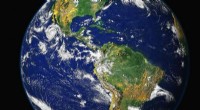
* Continents Form: The Earth's crust cooled and solidified, forming the first continents. These continents moved around the globe, eventually forming the landmasses we know today.
* Atmosphere Changes: As life evolved, photosynthesis by early organisms began to release oxygen into the atmosphere, slowly changing its composition and making it suitable for more complex life forms.
It's important to note: This is a simplified timeline, and there is still much we don't know about the Earth's early history. Scientists are constantly making new discoveries and revising our understanding of this fascinating period.