Internal Forces (Endogenic Processes):
* Tectonic Plate Movement: The Earth's crust is broken into massive plates that constantly move and interact. This movement causes:
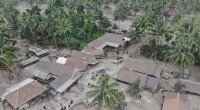
* Volcanism: Magma rises from the mantle and erupts, forming volcanoes, volcanic mountains, and plateaus.
* Earthquakes: When plates collide, slip past each other, or pull apart, the resulting sudden release of energy causes earthquakes.
* Mountain Building (Orogeny): When plates collide, they fold, buckle, and uplift, forming mountains and mountain ranges.
* Rifting: When plates pull apart, they create rifts, valleys, and eventually new ocean basins.
* Isostasy: This is the balance of forces between the Earth's crust and mantle. When the crust is thickened (by mountain building), it rises, while when it is thinned (by erosion), it sinks.
External Forces (Exogenic Processes):
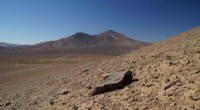
* Weathering: This is the process of breaking down rocks, soil, and minerals through physical, chemical, or biological means. Examples include:
* Physical Weathering: Freezing/thawing, wind abrasion, thermal expansion/contraction, etc.
* Chemical Weathering: Acid rain, oxidation, hydrolysis, etc.
* Biological Weathering: Root growth, burrowing animals, etc.
* Erosion: This is the process of moving weathered material from one location to another by:
* Wind: Wind carries sand and dust, sculpting dunes and deserts.
* Water: Rivers, streams, glaciers, and waves erode landscapes, carving canyons, valleys, and coastlines.
* Ice: Glaciers carve valleys, polish rocks, and deposit sediment.
* Deposition: This is the process of dropping eroded material in a new location, forming landforms such as:
* Deltas: Formed where rivers meet oceans or lakes.
* Alluvial Fans: Formed where rivers flow out of mountains.
* Sand Dunes: Formed by wind deposition.
* Glacial Moraines: Formed by glaciers.
Other Important Factors:
* Gravity: Plays a major role in erosion, landslides, and the flow of water and ice.
* Climate: Influences weathering and erosion rates.
* Time: All these processes happen over long periods, shaping the Earth's surface gradually.
It's important to remember that these forces are constantly interacting and influencing each other, creating the complex and dynamic Earth we live on.