1. Formation:
* Accretion: Earth formed from dust and gas in a swirling disk around the young Sun. Over millions of years, these particles collided and stuck together, forming larger and larger objects.
* Differentiation: Once large enough, Earth's interior heated up due to gravitational pressure and radioactive decay. This heat melted the core, allowing denser elements like iron and nickel to sink to the center, while lighter elements rose to the surface. This process formed the Earth's core, mantle, and crust.
2. Geological Processes:
* Plate Tectonics: The Earth's crust is divided into tectonic plates that move over the mantle. These movements cause earthquakes, volcanoes, mountain ranges, and ocean basins.
* Erosion: Wind, water, and ice sculpt the Earth's surface, wearing down mountains and creating valleys, canyons, and other landforms.
* Weathering: Chemical and physical processes break down rocks, soil, and minerals, contributing to the formation of landscapes.
3. Atmosphere:
* Composition: Earth's atmosphere is primarily nitrogen and oxygen, with small amounts of other gases. This composition filters out harmful solar radiation and allows for life to thrive.
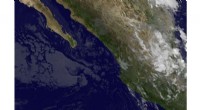
* Weather: The Earth's atmosphere experiences changes in temperature, pressure, and moisture, leading to clouds, rain, snow, wind, and other weather phenomena.
4. Water:
* Hydrosphere: Earth is the only known planet with liquid water on its surface. Water plays a crucial role in shaping landscapes through erosion and transportation of sediment.
* Oceans: Oceans cover over 70% of Earth's surface, influencing climate and creating unique marine ecosystems.
5. Life:
* Biosphere: Living organisms, from microscopic bacteria to giant trees, have a significant impact on Earth's surface. They contribute to soil formation, oxygen production, and the cycling of nutrients.
6. Human Impact:
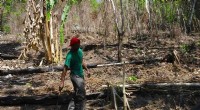
* Anthropogenic Changes: Human activities, such as deforestation, urbanization, and pollution, are altering the Earth's surface and climate.
In summary:
Earth's appearance is a result of a long and complex history, shaped by geological processes, atmospheric conditions, the presence of water, the influence of life, and human activity. Each of these factors has contributed to the diverse and beautiful landscapes we see today.