1. Luminous Objects: These objects produce their own light. Examples include:
* Stars: Nuclear fusion reactions in their cores generate massive amounts of energy, which is released as light and heat.
* Light bulbs: Electrical energy is converted into light and heat.
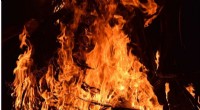
* Fire: Chemical reactions release energy in the form of light and heat.
* Lightning: A sudden discharge of static electricity produces a bright flash of light.
* Glow-in-the-dark objects: These objects contain phosphors that absorb energy from light sources and then re-emit it slowly over time.
* Fireflies: They use a chemical reaction called bioluminescence to produce light.
* Certain deep-sea creatures: Some creatures, like anglerfish, use bioluminescence to attract prey or communicate.
2. Illuminated Objects: These objects do not produce their own light but reflect light from other sources. Examples include:
* The Moon: It reflects sunlight.
* Planets: They reflect sunlight.
* Mirrors: They reflect light.
* Any object that we can see in the daytime: Sunlight illuminates objects, making them visible.
There's also a category called luminescent objects, which are objects that emit light through a chemical reaction. This category includes some of the examples listed in the "Luminous Objects" section, like fireflies and glow-in-the-dark objects.
It's important to remember that all objects radiate some form of electromagnetic radiation, including heat. However, the term "radiate light" typically refers to objects that emit visible light, which is what our eyes can detect.