Climate Change:
* Increased greenhouse gases: Trees absorb carbon dioxide (CO2) from the atmosphere, a key greenhouse gas responsible for global warming. Without them, CO2 levels would skyrocket, accelerating climate change.
* Loss of oxygen: Trees produce oxygen through photosynthesis. Their absence would dramatically reduce oxygen levels, making the atmosphere unbreathable for most life forms.
* Extreme weather patterns: Forests regulate rainfall and temperature, acting as natural buffers against extreme weather events. Their absence would lead to more frequent and severe droughts, floods, and storms.
* Loss of soil stability: Tree roots hold soil together, preventing erosion. Without them, topsoil would be washed away, leading to desertification and decreased agricultural productivity.
Biodiversity Loss:
* Habitat destruction: Forests provide homes for an enormous variety of animals, plants, and microorganisms. Their loss would lead to a massive extinction event, significantly reducing biodiversity.
* Food chain collapse: Many animals rely on forests for food and shelter. Their disappearance would have cascading effects on the entire food chain, leading to the collapse of entire ecosystems.
Human Impact:
* Water scarcity: Forests act as giant sponges, absorbing and storing water. Their loss would lead to widespread water scarcity, affecting agriculture, industry, and human health.
* Economic collapse: Forests provide timber, fuel, and other valuable resources. Their disappearance would cripple economies, leading to widespread unemployment and poverty.
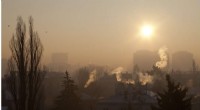
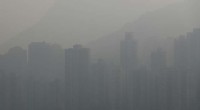
* Health problems: Air quality would deteriorate drastically without trees, leading to respiratory illnesses and other health problems.
The Bottom Line:
The disappearance of trees would be a global catastrophe, triggering a chain reaction of devastating consequences. It would lead to a rapid and irreversible decline in the planet's habitability, making it uninhabitable for most life forms. This highlights the importance of protecting and preserving forests for the future of our planet.