1. Plate Tectonics:
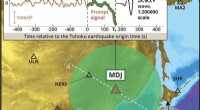
* Continental Drift: The Earth's surface is divided into tectonic plates that constantly move. This movement causes continents to collide, separate, and slide past each other.
* Mountain Building: Collisions between tectonic plates push up landmasses, creating mountains and shaping landscapes.
* Volcanic Activity: The movement of plates can also lead to volcanic eruptions, releasing molten rock (magma) and gases that create new landforms and deposit minerals.
* Subduction: When one plate slides under another, it can melt, leading to volcanic activity and the formation of island arcs and mountain ranges.
2. Weathering and Erosion:
* Water: Rain, rivers, glaciers, and ocean waves wear down rocks and transport sediment, shaping landscapes and creating fertile soil.
* Wind: Wind can transport sand and dust, creating sand dunes and shaping deserts.
* Ice: Glaciers can carve out valleys, transport boulders, and reshape mountains.
3. Climate:
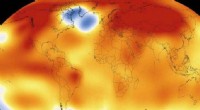
* Temperature: Different regions of the Earth have distinct temperatures due to latitude, altitude, and proximity to oceans. This influences the types of plants and animals that can thrive in an area.
* Precipitation: Rain, snow, and other forms of precipitation vary greatly across the globe, influencing vegetation patterns and soil composition.
4. Biogeochemical Cycles:
* Carbon Cycle: Plants absorb carbon dioxide from the atmosphere for photosynthesis, releasing oxygen. Animals eat plants and release carbon dioxide through respiration. This cycle influences the composition of the atmosphere and affects climate.
* Nitrogen Cycle: Nitrogen, essential for life, is transformed through various processes, including nitrogen fixation by bacteria. This influences the fertility of soils.
* Water Cycle: Evaporation, condensation, precipitation, and runoff constantly move water around the Earth, influencing weather patterns and shaping landscapes.
5. History and Geological Events:
* Past Supercontinents: The Earth's continents have been arranged differently throughout history. The formation and breakup of supercontinents like Pangaea have influenced the distribution of elements and mineral deposits.
* Meteorite Impacts: Large meteorite impacts can create craters, melt rocks, and release minerals, altering the landscape and geological composition of an area.
In summary:
The Earth's diverse elements are a result of a complex interplay of geological processes, historical events, and physical laws. Plate tectonics, weathering and erosion, climate, biogeochemical cycles, and historical events have all played a role in shaping the Earth's landscape, mineral distribution, and the evolution of life.