Physical Impact:
* Wind:
* Navigation: For centuries, sailors relied on wind to propel their ships across the ocean. Different wind patterns create currents that can be used to navigate effectively.
* Speed: Wind can significantly influence the speed of travel, both by land and by sea. A strong tailwind can propel a sailboat or land vehicle quickly, while a headwind can slow them down.
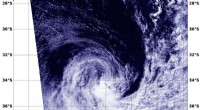
* Weather: Wind can create storms, which can disrupt travel and make it dangerous.
* Sun:
* Navigation: Humans have navigated by the sun for millennia. Its position in the sky can be used to determine direction and location.
* Energy: The sun provides renewable energy, making it crucial for powering various forms of transportation like solar-powered vehicles.
* Climate: The sun is the primary source of heat for the Earth, impacting weather patterns and making certain journeys possible or impossible based on climate conditions.
Human Experience:
* Weather: The forces of nature can create challenging or enjoyable experiences. A sunny day on a hike can be delightful, while a blizzard can make travel dangerous.
* Inspiration: The beauty and power of nature, like a sweeping desert landscape or a powerful storm, can inspire awe and wonder, making journeys more meaningful.
* Connection: Experiencing the forces of nature can connect us to a larger, more powerful entity, reminding us of our place in the world.
Examples:
* Sailing: A sailboat's journey is entirely reliant on the wind. Sailors learn to read the wind patterns and adjust their course accordingly.
* Trekking: Hiking through mountains or deserts can be challenging due to the wind and sun.
* Camping: The weather, heavily influenced by the sun and wind, plays a crucial role in the enjoyment of a camping trip.
Overall, the forces of nature are powerful and unpredictable, impacting both the practical aspects of a journey and the human experience. They are a constant presence, demanding respect and influencing our interactions with the world around us.