Gases:
* Nitrogen (N2): The most abundant gas, making up about 78% of the atmosphere. It's relatively inert, meaning it doesn't readily react with other substances.
* Oxygen (O2): Essential for life, oxygen makes up about 21% of the atmosphere. It's involved in respiration and combustion.
* Argon (Ar): A noble gas, it comprises about 0.93% of the atmosphere. It's used in welding and other industrial processes.
* Carbon Dioxide (CO2): A greenhouse gas, it makes up a small but significant portion of the atmosphere (around 0.04%). It plays a vital role in regulating the Earth's temperature.
* Other trace gases: These include neon, helium, methane, krypton, hydrogen, ozone, and xenon, among others. Each plays a specific role in atmospheric processes.
Particles:
* Aerosols: Tiny solid particles or liquid droplets suspended in the air. They come from various sources, including dust, smoke, sea salt, volcanic ash, and pollen. Aerosols play a role in cloud formation, air quality, and climate.
* Water Vapor (H2O): While not a gas in its pure form, water vapor is a significant component of the atmosphere, especially in the lower layers. It's responsible for clouds, precipitation, and humidity.
Liquid Water:
* Clouds: Clouds form when water vapor condenses into tiny water droplets or ice crystals. They come in various shapes and sizes, impacting weather patterns and reflecting sunlight.
Other notable features:
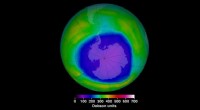
* The Ozone Layer: Located in the stratosphere, the ozone layer absorbs harmful ultraviolet radiation from the sun, protecting life on Earth.
* The Ionosphere: A layer of the upper atmosphere where ions and free electrons exist. It's crucial for radio communication and satellite navigation.
Understanding the composition of the atmosphere is crucial for comprehending weather patterns, climate change, and the overall health of our planet.