1. Shared Curiosity and Observation: Both art and science are fueled by a fundamental curiosity about the world. Artists observe the world around them, seeking inspiration and beauty, while scientists study the world, seeking to understand its workings. This shared sense of observation and exploration leads to a deeper appreciation of the natural world and the human experience.
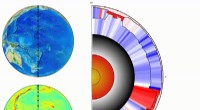
2. Visual Language and Communication: Art and science both utilize visual language to communicate complex ideas. Scientists employ diagrams, graphs, and images to present data and theories, while artists utilize visual elements to convey emotions, stories, and perspectives.
3. Innovation and Creativity: Both fields rely on innovation and creativity to push boundaries and explore new possibilities. Artists experiment with new forms and techniques, while scientists develop new theories and technologies.
4. Inspiration and Collaboration: Science can inspire art, providing artists with new subjects and concepts to explore. For example, the study of astronomy has inspired countless artistic works. Conversely, art can inspire scientific discoveries by providing new perspectives and sparking creative problem-solving.
5. Technological Advancements: Artistic practices are often driven by advancements in technology. Photography, film, and digital art have all emerged from scientific breakthroughs. Likewise, science has benefited from the development of artistic tools, such as microscopes and telescopes.
6. Exploring the Human Condition: Both art and science delve into the complexities of the human experience. Art explores the depths of human emotions, while science seeks to understand the biological and psychological aspects of human nature.
Examples of Art and Science Intertwined:
* Leonardo da Vinci: A Renaissance polymath who was both an artist and scientist. His anatomical drawings and engineering designs demonstrate the deep connection between his artistic and scientific pursuits.
* Modern Art Movements: Futurism, Cubism, and Surrealism, among others, drew inspiration from scientific advancements and theories, challenging traditional perspectives on art and reality.
* Contemporary Art: Artists like Olafur Eliasson and Anish Kapoor utilize scientific principles and technology in their installations, creating immersive and thought-provoking experiences.
The Future of Art and Science:
As technology continues to evolve, the lines between art and science will likely blur even further. Artificial intelligence, virtual reality, and bioengineering are already impacting both fields, opening up new possibilities for artistic expression and scientific exploration.
Ultimately, art and science are both reflections of the human mind, striving to understand and shape the world around us. Their interconnectedness fosters a deeper understanding of ourselves and our place in the universe.