Health and Longevity:
* Medicine: Advancements in medicine, from antibiotics to vaccines to surgery, have drastically increased life expectancy and reduced disease burden.
* Public Health: Sanitation, hygiene, and public health initiatives have eradicated diseases and improved overall well-being.
* Nutrition: Understanding of nutrition has improved our diet, leading to healthier lives and the prevention of chronic diseases.
Communication and Information:
* Technology: The internet, mobile phones, and other communication technologies have connected people globally, facilitating faster information exchange and collaboration.
* Education: Science has made education accessible to more people through online platforms and advancements in learning materials.
* Entertainment: Science has revolutionized our entertainment with inventions like the radio, television, and the internet, offering a vast array of options.
Living Standards and Comfort:
* Agriculture: Improved agricultural practices, fertilizers, and genetically modified crops have increased food production, feeding a growing population.
* Energy: The discovery and harnessing of various energy sources like fossil fuels and renewable energies have powered our homes, industries, and transportation.
* Transportation: Cars, trains, planes, and other modes of transportation have made travel faster, easier, and more accessible.
* Housing: Modern construction techniques and materials have led to more comfortable, efficient, and affordable homes.
Environmental Impact:
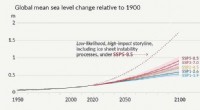
* Climate Change: Science has provided understanding of climate change, its impacts, and potential solutions.
* Pollution: Science has helped identify and address pollution issues, promoting cleaner air, water, and soil.
* Resource Management: Scientific advancements have enabled more sustainable resource management, leading to conservation efforts.
Other Impacts:
* Space Exploration: Space exploration has expanded our understanding of the universe and inspired advancements in technology.
* Biotechnology: Biotechnology has opened new possibilities in fields like medicine, agriculture, and industry.
* Artificial Intelligence: AI is changing how we work, interact with technology, and even solve problems.
Challenges and Considerations:
While science has brought significant benefits, it also presents challenges:
* Ethical Concerns: Advancements in areas like genetic engineering and AI raise ethical questions that need careful consideration.
* Misinformation: The rapid spread of information, both accurate and inaccurate, necessitates critical thinking and responsible information consumption.
* Social Inequality: The benefits of scientific progress are not always evenly distributed, leading to disparities in access to healthcare, education, and technology.
Conclusion:
Science has been a transformative force in human history, driving progress in various domains. While it presents challenges, the potential for science to improve human life remains vast. By embracing scientific inquiry, ethical considerations, and a commitment to equitable access, we can harness science's power for a better future.