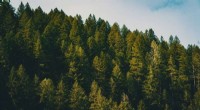
Woodland
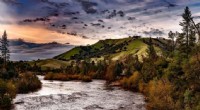
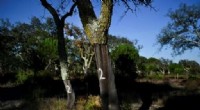
* Dominated by trees: Woodlands are characterized by a tree canopy, which is a layer of interconnected tree crowns that partially shades the ground.
* Tree density: While there are fewer trees per unit area compared to forests, woodlands have enough trees to create a significant canopy and cast shade.
* Understory: Woodlands usually have an understory of shrubs, grasses, and other plants growing beneath the trees.
* Examples: Oak woodland, pine woodland, aspen woodland.
Shrubland
* Dominated by shrubs: Shrublands are primarily composed of woody plants that are less than 5 meters tall.
* Lack of a tree canopy: Shrublands typically lack a continuous tree canopy, allowing more sunlight to reach the ground.
* Understory: Shrublands can have a sparse understory of grasses, herbs, and other plants.
* Examples: Chaparral, heath, and scrubland.
Here's a table summarizing the key differences:
| Feature | Woodland | Shrubland |
|---|---|---|
| Dominant vegetation | Trees | Shrubs |
| Tree canopy | Present, partial shade | Absent |
| Tree density | Moderate | Very low to none |
| Understory | Usually present | Sparse |
Additional Notes:
* Overlap: The boundary between woodland and shrubland can be blurred. Some areas may have a mix of both trees and shrubs.
* Climate: Woodland and shrubland occur in a variety of climates, but are often found in areas with Mediterranean climates, where summers are hot and dry and winters are mild and wet.
* Fire: Both woodlands and shrublands are often adapted to fire.
Ultimately, the distinction between woodland and shrubland is based on the relative abundance and height of trees and shrubs.