* Nurturing and life-giving: Nature provides us with everything we need to survive – food, water, air, and shelter. It's the source of all life, much like a mother nurtures her children.
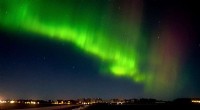
* Powerful and unpredictable: Nature can be both beautiful and destructive. Just as a mother can be loving but also strict, nature can be gentle and calm but also wild and fierce.
* Generous and inexhaustible: Nature provides us with countless resources and experiences, often without asking for anything in return. This evokes the image of a mother who gives freely and unconditionally.
Historical context:
* Ancient civilizations: Many ancient cultures personified nature, often as goddesses who represented fertility, growth, and the life cycle.
* Roman mythology: The Roman goddess Terra Mater (Earth Mother) embodied the Earth and was worshipped as a powerful and nurturing force.
* Renaissance period: The term "Mother Nature" gained popularity during the Renaissance, when there was a renewed interest in the natural world.
Why it's still used today:
The term "Mother Nature" continues to be used because it captures a sense of awe and respect for the natural world. It reminds us that we are part of something larger than ourselves and that we have a responsibility to care for it.
It's important to remember that while the metaphor is helpful, nature is not a sentient being. It operates on natural processes and laws, not personal desires or intentions.