1. Inspiration and Visualization:
* Visualizing the Unseen: Art can provide a visual language for complex scientific concepts, making them more accessible and engaging. Think of anatomical drawings by Leonardo da Vinci or the vivid representations of microscopic worlds through scientific illustration.
* Imagining the Future: Science fiction, for example, often explores potential scientific advancements, sparking curiosity and inspiring scientists to pursue those possibilities.
2. New Perspectives and Collaboration:
* Cross-Disciplinary Thinking: The artistic approach of questioning assumptions, exploring different perspectives, and finding connections across disciplines can be valuable to scientific inquiry. Artists can bring fresh insights to scientific problems.
* Collaboration and Dialogue: Collaboration between artists and scientists can lead to innovative approaches to problem-solving. For instance, artists can create visualizations or interactive installations that help scientists communicate their findings or explore new research directions.
3. Enhancing Communication:
* Making Science Accessible: Art can help translate complex scientific ideas into engaging and easily understood forms. This can foster public understanding and appreciation for science.
* Emotional Connection: Art can evoke emotions and connect with audiences on a personal level, making scientific discoveries more relatable and impactful.
4. Promoting Scientific Literacy:
* Engaging with Science: Art installations or performances that incorporate scientific themes can encourage dialogue and critical thinking about scientific issues.
* Inspiring the Next Generation: Art can inspire young minds to pursue careers in STEM fields by showcasing the beauty and wonder of science.
Examples of Art's Influence on Science:
* Leonardo da Vinci's anatomical drawings: These detailed illustrations provided valuable insights for medical research and anatomical understanding.
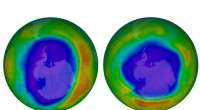
* Scientific illustration: Illustrations of microscopic worlds, celestial bodies, and complex processes have contributed to scientific understanding and public engagement.
* Data visualization: Artists and designers have developed innovative ways to visualize data, enabling scientists to identify patterns and trends that might otherwise be missed.
Conclusion:
Art and science, though often perceived as distinct fields, are interwoven in their pursuit of understanding and expression. Art influences science by providing inspiration, fostering collaboration, enhancing communication, and promoting scientific literacy. This interdisciplinary dialogue enriches both fields and pushes the boundaries of human knowledge.