1. Human Population Growth and Consumption:
* Overpopulation: The sheer number of people on Earth puts increasing pressure on natural resources, leading to habitat destruction, pollution, and overexploitation.
* Unsustainable Consumption: High levels of consumption, especially in developed nations, drive demand for resources, leading to increased exploitation and environmental degradation.
2. Climate Change:
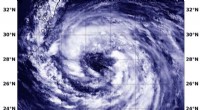
* Extreme Weather Events: Climate change increases the frequency and intensity of extreme weather events (e.g., droughts, floods, storms), which disrupt ecosystems and threaten species survival.
* Habitat Shifts: Changing climate patterns alter habitat ranges and biodiversity, making it challenging to manage conservation efforts.
* Ocean Acidification: Increased carbon dioxide absorption by oceans leads to acidification, harming marine life, particularly coral reefs.
3. Habitat Loss and Fragmentation:
* Deforestation: Logging, agriculture, and urbanization lead to massive deforestation, destroying crucial habitats and reducing biodiversity.
* Urbanization: Urban sprawl encroaches on natural areas, fragmenting habitats and isolating populations, making them vulnerable to extinction.
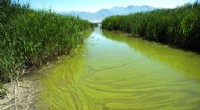
* Pollution: Air, water, and soil pollution contaminate ecosystems and threaten species health.
4. Overexploitation of Resources:
* Overfishing: Unsustainable fishing practices deplete fish stocks and disrupt marine ecosystems.
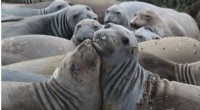
* Poaching: Illegal hunting and wildlife trade threaten endangered species and disrupt ecological balance.
* Resource Extraction: Mining, oil drilling, and other resource extraction activities degrade habitats and pollute the environment.
5. Funding and Support:
* Limited Resources: Conservation efforts often face financial constraints, making it difficult to implement large-scale projects and sustain long-term initiatives.
* Lack of Public Awareness: Many people are unaware of the importance of conservation and its connection to human well-being.
* Lack of Political Will: Effective conservation policies can be hindered by political pressures and a lack of government support.
6. Social and Economic Challenges:
* Poverty: Poverty often leads to resource depletion as people struggle to meet basic needs.
* Lack of Education and Awareness: Limited access to education and awareness campaigns hinders community engagement in conservation efforts.
* Conflicting Land Use: Competing demands for land use between conservation and economic development can create tension and conflict.
7. Technological Advancements:
* Emerging Threats: New technologies, such as genetic engineering and synthetic biology, pose potential risks to biodiversity and ecosystem stability.
8. Global Interconnectivity:
* Transboundary Challenges: Conservation issues often transcend national boundaries, requiring international cooperation and collaboration.
* Climate Change Effects: Climate change impacts are felt globally, requiring international efforts to mitigate its effects and adapt to changing conditions.
Addressing these challenges requires a multi-faceted approach, involving governments, NGOs, local communities, and individuals. Collaboration, innovation, and a holistic understanding of interconnected ecosystems are crucial for successful conservation efforts.