* Abundance of a species: How many individuals of a particular species are found in a specific area. For example, "There is an abundance of oak trees in this forest."
* Abundance of a chemical element: How much of a particular element is present in a sample, such as a rock or a biological sample. For example, "The Earth's crust is abundant in oxygen."
* Abundance of a resource: How much of a particular resource, like water or energy, is available in a given environment. For example, "The Amazon rainforest is abundant in biodiversity."
* Abundance of data: The availability of a large amount of data for analysis and research. For example, "The internet has created an abundance of data for scientists to study."
Examples of how "abundant" is used in science:
* Ecology: "The abundance of plankton in the ocean is crucial for the marine food web."
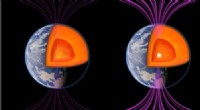
* Geology: "The Earth's core is abundant in iron."
* Biology: "The human body is abundant in water."
* Astronomy: "The universe is abundant in dark matter."
Important Note: "Abundant" is a relative term. What is considered abundant in one context might be considered scarce in another. For example, while oxygen is abundant in the Earth's atmosphere, it is scarce on the surface of Mars.