1. Epiphytes:
* Orchids and ferns growing on tree branches: Epiphytes use trees for support and access to sunlight but don't draw nutrients from the tree itself. They obtain nutrients from rainwater and decaying organic matter.
* Spanish moss hanging from oak trees: This moss, while looking like a parasite, doesn't actually harm the oak tree. It simply uses the tree for physical support and collects moisture from the air.
2. Plants growing in the shade of larger trees:
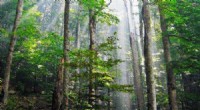
* Smaller plants in the understory of a forest: These plants benefit from the shade provided by taller trees, which protects them from excessive sunlight and heat. The larger trees aren't affected by the smaller plants.
* Wildflowers growing under the canopy of a deciduous forest: These wildflowers bloom in the spring, taking advantage of the sunlight available before the leaves of the trees fully develop.
3. Plants growing on rocks or walls:
* Mosses and lichens growing on rocks: They get support and moisture from the rock but don't harm it. The rock is simply an inert surface they use for growth.
* Wall-growing ferns and succulents: These plants thrive in vertical spaces, utilizing the rock for support and accessing rainwater that flows down the wall.
4. Plants benefiting from animal dispersal:
* Seeds clinging to animal fur: Some plants have seeds that have hooks or burs, which allow them to attach to animal fur and get transported to new locations. This doesn't harm the animal, but it benefits the plant by spreading its seeds.
* Fruit-bearing plants and birds: Birds eat fruits and then disperse the seeds in their droppings, effectively spreading the plant's population. The birds benefit by getting food, while the plant's seeds are scattered.
Important Note:
It's important to remember that some relationships that seem like commensalism might be more complex. For example, while Spanish moss doesn't directly harm the oak tree, it can create a slightly heavier load on the branches and may block sunlight. Therefore, it's crucial to consider the potential subtle effects on the host organism when classifying a relationship as commensalism.