Plants:
* Flowers: Roses, tulips, lilies, sunflowers, daisies, hydrangeas, petunias, etc.
* Trees: Fruit trees, shade trees, ornamental trees, evergreens, etc.
* Shrubs: Rhododendrons, azaleas, lilacs, boxwood, etc.
* Grasses: Lawn grasses, ornamental grasses, etc.
* Vegetables: Tomatoes, peppers, cucumbers, lettuce, carrots, beans, etc.
* Herbs: Basil, thyme, oregano, rosemary, mint, etc.
* Vines: Clematis, honeysuckle, ivy, etc.
* Ferns: Boston ferns, staghorn ferns, etc.
* Mosses: Various types for groundcover or hanging gardens.
* Succulents: Cacti, agave, sedums, etc.
Animals:
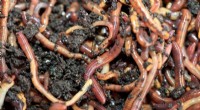
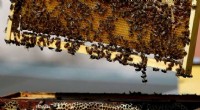
* Insects: Bees, butterflies, ladybugs, earthworms, ants, spiders, etc.
* Birds: Robins, sparrows, bluebirds, cardinals, hummingbirds, etc.
* Mammals: Squirrels, rabbits, chipmunks, mice, opossums, etc.
* Reptiles: Lizards, snakes (depending on location).
* Amphibians: Frogs, toads.
Other Living Things:
* Fungi: Mushrooms, toadstools, molds, etc.
* Bacteria: Essential for soil health and decomposition.
* Microorganisms: A wide variety of microscopic life that contributes to the garden ecosystem.
Note: The specific types of living things you find in a garden will depend on your location, climate, and the specific plants you choose to grow.