Physical Responses:
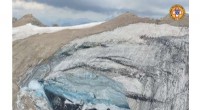
* Temperature: Water's temperature significantly affects its state. It can exist as ice (solid), liquid water, or water vapor (gas). This is due to hydrogen bonding between water molecules.
* Pressure: Increased pressure can affect the freezing point of water, allowing it to remain liquid even below 0 degrees Celsius. This is why deep-sea organisms can thrive in environments that would otherwise be frozen.
* Salinity: Salt dissolved in water (like in the ocean) lowers the freezing point and raises the boiling point. This is why ocean water doesn't freeze as easily as freshwater.
* Light: Water absorbs different wavelengths of light, which is why sunlight fades with depth in the ocean.
Chemical Responses:
* pH: Water's pH level can be influenced by dissolved substances. Acidic substances lower the pH, making water more acidic, while basic substances raise the pH, making it more alkaline.
* Dissolved gases: Water dissolves gases like oxygen and carbon dioxide, which are crucial for aquatic life. The amount of dissolved gases depends on factors like temperature and pressure.
* Contamination: Water can absorb pollutants and contaminants from its environment, affecting its quality and potentially harming organisms.
Biological Responses:
* Ecosystems: Water plays a crucial role in all ecosystems. Its availability, temperature, and quality influence the types of plants and animals that can thrive in an area.
In Conclusion:
Water is a highly responsive substance, constantly adapting to its environment. Its physical, chemical, and biological properties are all influenced by surrounding conditions. This sensitivity is what makes water essential for life and a key factor in shaping our planet.