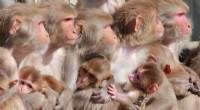
1. Variation: Within a population, individuals have slight differences in their traits (think of how people have different hair color, height, or even slight differences in their immune systems). This variation is often driven by random mutations in their genes.
2. Inheritance: These traits are passed down from parents to offspring. So, a parent with a strong immune system might have offspring with a similar strong immune system.
3. Selection Pressure: The environment poses challenges to organisms. These can include factors like:
* Food availability: Organisms that are better at finding food will be more likely to survive.
* Predation: Organisms with traits that help them avoid predators will be more likely to survive.
* Climate change: Organisms adapted to a particular climate might struggle if the climate changes.
* Disease: Organisms with strong immune systems will be more likely to survive outbreaks.
4. Differential Reproduction: Individuals with traits that make them better suited to their environment are more likely to survive, reproduce, and pass on their advantageous traits. Those less well-suited are less likely to survive or reproduce, meaning their traits are less likely to be passed on.
5. Adaptation: Over time, the frequency of advantageous traits increases in the population, while less advantageous traits decrease. This results in a gradual change in the population as a whole, leading to adaptation.
Example:
Imagine a population of beetles. Some beetles are green, and some are brown. If the environment changes so that green beetles are easier for predators to spot, the brown beetles are more likely to survive and reproduce. Over time, the population will shift to have more brown beetles, as the brown color provides a survival advantage.
Key Points:
* Natural selection is a gradual process that happens over many generations.
* It doesn't create new traits; it simply selects for existing traits that are beneficial in a given environment.
* It's a constantly ongoing process, as environments are always changing.
Let me know if you'd like more details on any aspect of natural selection!