Environmental Impacts:
* Climate Change: Rainforests act as massive carbon sinks, absorbing large amounts of carbon dioxide from the atmosphere. Deforestation releases this stored carbon, accelerating climate change.
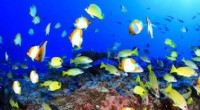
* Loss of Biodiversity: Rainforests are home to a staggering amount of biodiversity, with millions of plant and animal species. Deforestation leads to habitat loss, extinction, and disruption of vital ecosystems.
* Soil Degradation: Rainforest soils are thin and nutrient-poor. Clearing trees leaves the soil vulnerable to erosion, leaching, and desertification.
* Water Cycle Disruption: Rainforests play a crucial role in the water cycle. Deforestation reduces rainfall, alters water flow, and contributes to droughts and floods.
* Reduced Oxygen Production: Trees are vital for producing oxygen. Deforestation reduces oxygen production, further impacting the atmosphere.
Social and Economic Impacts:
* Displacement of Indigenous Communities: Rainforests are often home to indigenous communities who rely on them for food, shelter, and cultural traditions. Deforestation displaces these communities and threatens their livelihoods.
* Loss of Economic Opportunities: Rainforest resources, such as timber, medicinal plants, and tourism, provide vital economic benefits to communities. Deforestation diminishes these opportunities.
* Increased Conflict: Deforestation can lead to conflict between competing interests, such as loggers, farmers, and indigenous communities.
* Global Food Security: Rainforests are vital for food security. Deforestation impacts agricultural production and can lead to food shortages.
* Increased Disease Transmission: Deforestation can disrupt ecosystems, leading to increased contact between humans and disease-carrying animals, potentially increasing the risk of zoonotic diseases.
Other Impacts:
* Decreased Air Quality: Deforestation releases particulate matter and other pollutants into the air, contributing to respiratory problems.
* Reduced Recreation and Tourism: Rainforests offer unique recreational opportunities, such as hiking, wildlife viewing, and cultural experiences. Deforestation diminishes these opportunities.
In summary, rainforest destruction is a complex issue with far-reaching consequences. It's crucial to protect these valuable ecosystems for the sake of the environment, human societies, and the planet's future.