However, here are four common ways to broadly categorize vegetation:
1. By Growth Form:
* Trees: Woody plants with a single, tall trunk and a distinct crown.
* Shrubs: Woody plants with multiple stems branching near the ground.
* Herbs: Non-woody plants that typically die back to the ground each year.
* Grasses: A type of herb with narrow leaves and a distinctive growth pattern.
2. By Climate:
* Tropical Rainforest: Dense, lush forests with high rainfall and warm temperatures.
* Temperate Forest: Forests with moderate temperatures and rainfall, characterized by deciduous trees.
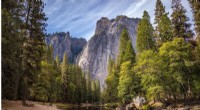
* Boreal Forest (Taiga): Coniferous forests found in cold climates with long winters.
* Desert: Dry regions with low rainfall and sparse vegetation.
* Grassland: Regions dominated by grasses and other herbaceous plants.
* Tundra: Cold, treeless regions with permafrost.
3. By Ecological Function:
* Forest: Dense stands of trees that provide habitat for many species.
* Grassland: Open areas dominated by grasses that support grazing animals.
* Wetland: Areas saturated with water for at least part of the year, supporting unique plant and animal communities.
* Desert: Dry areas with specialized plant and animal adaptations to survive low rainfall.
4. By Human Influence:
* Natural Vegetation: Vegetation that has developed without significant human influence.
* Cultivated Vegetation: Vegetation that has been planted and managed by humans for specific purposes (e.g., crops, plantations).
* Urban Vegetation: Vegetation that grows in urban areas, often influenced by human activities and structures.
It's important to remember that these are just broad categories and vegetation can be further subdivided within each category. For example, there are many different types of forests (temperate deciduous, tropical evergreen, etc.), grasslands (prairies, savannas, etc.), and deserts (hot deserts, cold deserts, etc.).