Physical Changes:
* Algal blooms: Excessive growth of algae, often green, red, or blue-green, can choke out other life and make the water toxic.
* Turbidity: The water becomes cloudy and murky due to suspended particles like silt, algae, or pollutants, reducing sunlight penetration and hindering photosynthesis.
* Sedimentation: Excessive sediment buildup from erosion or runoff smothers aquatic life and degrades habitat.
* Water color changes: Unnatural color variations like red, brown, or black can indicate pollution or an imbalance in the ecosystem.
* Dead zones: Areas with low or no oxygen levels, often caused by pollution or excessive nutrient runoff, killing off fish and other marine life.
Biological Changes:
* Reduced biodiversity: Fewer species of plants and animals, indicating a loss of habitat and ecological stability.
* Domination by invasive species: Non-native organisms outcompeting native species and disrupting the food web.
* Disease outbreaks: Increased prevalence of diseases in fish and other aquatic organisms, potentially linked to pollution or stress.
* Abnormal growth: Fish may show deformities, stunted growth, or unusual behavior due to pollution or habitat degradation.
* Decreased population numbers: A decline in the abundance of fish, shellfish, and other aquatic organisms due to various factors.
Chemical Changes:
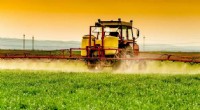
* High nutrient levels: Excessive nitrogen and phosphorus from agricultural runoff and sewage can lead to algal blooms and oxygen depletion.
* Elevated pollutants: Heavy metals, pesticides, pharmaceuticals, and other contaminants can accumulate in the water and harm aquatic life.
* Changes in pH: Acidification or alkalization of the water can negatively impact aquatic organisms and their ability to survive.
* Decreased dissolved oxygen levels: A lack of oxygen in the water can suffocate fish and other aquatic life.
Other Signs:
* Unpleasant smells: The water may have a foul odor due to decaying organic matter or pollutants.
* Dead fish and wildlife: Finding dead fish, birds, or other aquatic animals may indicate a serious problem.
* Changes in plant growth: Unusual growths or die-offs of aquatic plants can signal an imbalance in the ecosystem.
* Eroded shorelines: Erosion of the shoreline can indicate excessive wave action or poor water quality.
It's important to note that not all of these signs will be present in every unhealthy aquatic ecosystem. However, observing any of these changes can be a cause for concern and should prompt further investigation.