1. Nature as a Source of Inspiration and Sublimity:
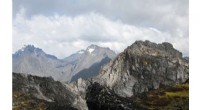
* Romantics saw nature as a powerful source of inspiration for their art, poetry, and music. The awe-inspiring beauty and grandeur of landscapes, storms, mountains, and oceans evoked powerful emotions and stimulated their creativity.
* They embraced the concept of the sublime – the overwhelming and awe-inspiring power of nature that could both terrify and inspire. This was seen as a key to unlocking deeper truths and understanding the human condition.
2. Nature as a Mirror of the Human Soul:
* Romantics believed that the natural world reflected the complexities and nuances of the human soul. They saw parallels between the cycles of nature and the emotions and experiences of individuals.
* The beauty of a blooming flower could evoke joy and wonder, while the harshness of a storm could symbolize the turbulent depths of human emotions.
3. Nature as a Source of Knowledge and Truth:
* Romantics challenged the Enlightenment's focus on reason and logic as the sole means of acquiring knowledge. They believed that nature provided a deeper, more intuitive understanding of the world and the human condition.
* Through close observation and contemplation of the natural world, they believed one could access truths that were inaccessible to the rational mind.
4. Nature as a Haven from Society and Civilization:
* Many Romantics felt alienated by the growing industrialization and urbanization of their time. They saw nature as a refuge from the pressures and complexities of society.
* They idealized the simplicity and authenticity of rural life and found solace in the peace and tranquility of nature.
5. Nature as a Force of Renewal and Regeneration:
* Romantics viewed nature as a cyclical force, with its constant cycles of birth, growth, decay, and rebirth representing the ever-changing nature of life itself.
* They believed that nature offered a powerful sense of hope and renewal, reminding people of the interconnectedness of all living things.
Specific Examples:
* William Wordsworth: Wordsworth's poems are filled with reflections on the beauty and power of the Lake District, which he considered a source of spiritual awakening and poetic inspiration.
* John Constable: Constable's landscape paintings, particularly his depictions of the English countryside, are notable for their focus on capturing the fleeting beauty and changing light of nature.
* J.M.W. Turner: Turner's paintings often feature dramatic depictions of storms, sunsets, and other natural phenomena, showcasing his fascination with the sublime and the power of nature to inspire awe and wonder.
In Conclusion:
The Romantics saw the natural world not just as a beautiful backdrop, but as a mirror of the human soul, a source of inspiration and knowledge, and a refuge from the complexities of modern life. Their reflections on nature continue to inspire and resonate with us today, reminding us of the profound connection between humanity and the natural world.