Here's why:
* Ecosystem Definition: An ecosystem is a community of living organisms (biotic factors) in conjunction with the nonliving components of their environment (abiotic factors) interacting as a system.
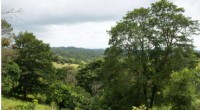
* Mixed Forest: This provides the habitat, with a variety of trees, shrubs, and other plants.
* Organisms: The diverse organisms that live in a mixed forest include:
* Producers: Plants that use sunlight for photosynthesis (e.g., trees, ferns, wildflowers).
* Consumers: Animals that eat plants or other animals (e.g., deer, squirrels, birds, insects, fungi).
* Decomposers: Organisms that break down dead plants and animals (e.g., bacteria, fungi).
How they work together:
* Food Webs: The organisms in a mixed forest are interconnected through food webs, where energy and nutrients flow.
* Nutrient Cycling: Decomposers play a crucial role in recycling nutrients back into the soil, making them available for plants.
* Interdependence: All the organisms in a mixed forest depend on each other for survival. For example, plants need pollinators (insects, birds), and animals need plants for food and shelter.
So, a mixed forest and its inhabitants form a vibrant and interconnected ecosystem, demonstrating the intricate web of life and the essential role of every organism.