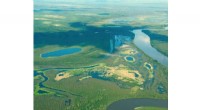
* Tectonic Activity: This is the foundation of landscape evolution. Plate tectonics drive mountain building (orogeny), volcanic activity, earthquakes, and the formation of new landmasses. Without tectonic activity, there would be no mountains, volcanoes, or even continents.
* Climate: This plays a major role in shaping the landscape through weathering and erosion. Rain, wind, ice, and temperature fluctuations break down rocks, transport sediment, and sculpt valleys, canyons, and coastlines. Different climates lead to different landforms.
* Time: Time is a crucial factor. Landscapes evolve gradually over millions of years. Even subtle forces like erosion, when given enough time, can dramatically alter the landscape.
* Biotic Factors: Living organisms, from plants to animals to microbes, also play a significant role. Plant roots can break up rock, while animals can create burrows or trample vegetation, influencing erosion patterns.
Ultimately, the relative importance of each factor depends on the specific landscape. For example, in a tectonically active region, tectonic activity might be the dominant force, while in a desert, climate might be the primary driver of landscape change.
Here's a simplified way to think about it:
* Tectonics: The "foundation"
* Climate: The "sculptor"
* Time: The "patience"
* Biotics: The "decorators"
All these factors work together to create the diverse and beautiful landscapes we see around us.