1. Abiotic Pressures: These are non-living environmental factors that can influence survival and reproduction. Examples include:
* Climate: Temperature, rainfall, humidity, and sunlight all influence the survival of organisms.
* Resource Availability: Food, water, and shelter are essential for survival.
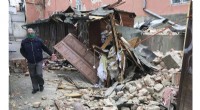
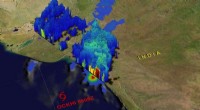
* Natural Disasters: Events like floods, fires, and volcanic eruptions can drastically alter the environment and impact populations.
* Pollution: Chemical and physical pollutants can negatively impact the health and survival of organisms.
2. Biotic Pressures: These are living factors that influence survival and reproduction. Examples include:
* Predation: Organisms that prey on others exert pressure on their prey species, favoring traits that help avoid predation.
* Competition: Competition for resources like food, mates, and shelter can influence the success of individuals and populations.
* Disease: Infectious diseases can significantly impact population size and survival.
* Parasitism: Parasites can weaken their hosts and reduce their reproductive fitness.
3. Sexual Selection: This is a specific form of natural selection that involves competition for mates. Individuals with desirable traits, such as bright colors, elaborate displays, or physical prowess, are more likely to reproduce.
How these pressures work:
* Variation: Natural selection acts on existing variation within a population. Individuals with traits that provide an advantage in the face of a particular pressure are more likely to survive and reproduce.
* Heritability: For natural selection to occur, these advantageous traits must be heritable, meaning they are passed down to offspring.
* Differential Reproduction: Individuals with advantageous traits will have higher reproductive success, leading to a greater proportion of their offspring in the next generation.
Overall, the pressures of natural selection drive the evolution of species over time. By favoring individuals with beneficial traits, natural selection leads to adaptation and increased fitness within a population.