Terrestrial environments encompass all the land-based ecosystems on Earth. They are incredibly diverse and characterized by many factors, some of the most important being:
1. Climate:
- Temperature: Varies greatly across the globe, from freezing polar regions to scorching deserts.
- Rainfall: Influences vegetation types, soil composition, and the presence of specific animal species.
- Seasonality: Influences plant and animal behavior, with distinct breeding seasons and periods of dormancy.
2. Soil:
- Composition: Varies depending on geological history, weathering processes, and biological activity.
- Nutrient content: Impacts plant growth and the overall productivity of the ecosystem.
- Water retention: Influences the availability of water for plants and animals.
- Structure: Affects root development and the ability of organisms to burrow.
3. Vegetation:
- Type: Ranges from dense forests to sparse grasslands, influenced by climate and soil.
- Density: Determines the amount of sunlight reaching the ground, influencing the growth of understory plants and the habitat available for animals.
- Stratification: Vertical layering of vegetation creates different microhabitats for various organisms.
4. Animals:
- Adaptations: Developed to thrive in specific environments, including camouflage, burrowing, and migration.
- Diversity: Widely varies based on location, climate, and available resources.
- Food webs: Complex interactions between organisms, affecting the flow of energy and the stability of the ecosystem.
5. Human impact:
- Land use: Agriculture, urbanization, and deforestation significantly alter natural ecosystems.
- Pollution: Air, water, and soil pollution can have detrimental effects on plant and animal life.
- Climate change: Impacts temperature, rainfall patterns, and the distribution of organisms.
Examples of Terrestrial Environments:
* Forests: Densely vegetated areas with high levels of biodiversity.
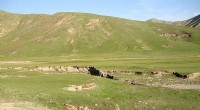
* Grasslands: Open, grassy areas with varying levels of rainfall and vegetation.
* Deserts: Arid environments with low rainfall and extreme temperatures.
* Tundra: Cold, treeless environments with permafrost and low biodiversity.
* Mountains: Diverse environments with varying altitude and exposure to sunlight.
Understanding these characteristics is crucial for studying the complex interactions within terrestrial environments, as well as for managing their conservation and sustainability.