* Scale: Microscopic details (like soil composition) are harder to observe than large features (like mountains).
* Time: Processes like erosion or plant growth occur over long periods, making them hard to directly witness.
* Accessibility: Underwater landscapes or those in remote locations are more challenging to observe than readily accessible ones.
However, here are some characteristics that are generally difficult to observe directly:
* Underground structures: Cave systems, aquifers, and geological formations below the surface are often hidden.
* Microorganisms and small animals: These are often microscopic or require specialized tools for observation.
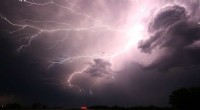
* Atmospheric conditions: Weather patterns, air currents, and subtle changes in temperature can be difficult to perceive.
* Long-term changes: Erosion, vegetation growth, or glacial movement happen over time scales that are challenging to observe directly.
Ultimately, the difficulty of observing a landscape characteristic depends on the specific context and the tools and methods used.