Essential Needs:
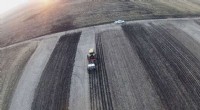
* Food: We obtain food directly from plants and animals, and rely on natural processes like agriculture for food production.
* Water: We drink, irrigate crops, and use water for sanitation, all sourced from natural water bodies.
* Shelter: We utilize wood, stone, and other natural materials to build homes and structures.
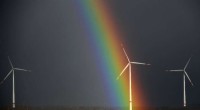
* Energy: We harness energy from the sun, wind, water, and fossil fuels derived from ancient natural processes.
* Medicine: Many pharmaceuticals are derived from plants, animals, and microorganisms, and traditional medicine relies heavily on natural remedies.
Beyond Basic Needs:
* Recreation: We enjoy nature for hiking, camping, fishing, and other recreational activities.
* Culture: Nature inspires art, music, literature, and religious beliefs, shaping our cultural identities.
* Science and Research: Nature is a vast laboratory for scientific discovery, with endless possibilities for understanding life, the universe, and ourselves.
* Ecosystem Services: Nature provides us with countless benefits like clean air, water filtration, pollination, and climate regulation.
Examples of Human Uses of Nature:
* Forests: Source of timber, paper, fuel, and medicines; provide oxygen, regulate climate, and prevent soil erosion.
* Oceans: Source of food, transportation, and resources; regulate climate and absorb carbon dioxide.
* Deserts: Offer unique habitats for wildlife and provide potential for mineral resources.
* Mountains: Provide natural barriers, water sources, and recreational opportunities.
Challenges:
While humans rely on nature, our impact is often detrimental. Overexploitation, pollution, habitat destruction, and climate change threaten the very resources we depend on.
Sustainable Use:
It is crucial to use nature sustainably. This means:
* Respecting natural cycles: Understanding and preserving the balance of ecosystems.
* Conserving resources: Using them wisely and avoiding waste.
* Protecting biodiversity: Recognizing the interconnectedness of all living things.
* Mitigating our impact: Reducing our carbon footprint and pollution.
By understanding our dependence on nature and striving for sustainable practices, we can ensure future generations inherit a healthy planet.