Here's a breakdown of the key elements:
* Plant life: It specifically refers to the living plant matter, not just the physical structure.
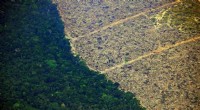
* Area or region: This could be a small garden, a vast forest, a specific habitat, or even an entire continent.
* Types of plants: Vegetation includes a diverse range of plant species, each adapted to the specific environmental conditions.
The term "vegetation" is often used in ecological studies to describe the plant communities that make up a given landscape. It plays a crucial role in the ecosystem, influencing factors like:
* Biodiversity: Providing habitats and food sources for various animals.
* Climate regulation: Absorbing carbon dioxide and releasing oxygen.
* Soil stability: Preventing erosion and improving water infiltration.
* Human uses: Providing resources like timber, food, and medicine.
Understanding vegetation is essential for studying ecosystems, managing natural resources, and addressing environmental issues.