Vegetation zones, also known as biomes, are large-scale geographical regions characterized by similar climate conditions and plant life. Think of them as Earth's natural "plant neighborhoods" with distinct communities of trees, shrubs, grasses, and other plants adapted to specific environmental factors.
Key factors shaping vegetation zones include:
* Temperature: Hot, cold, or moderate temperatures influence which plants can survive and thrive.
* Precipitation: Rainfall levels determine the availability of water for plant growth.
* Sunlight: The amount of sunlight reaching the ground influences photosynthesis and plant growth.
* Soil type: Different soils have varying nutrients and water-holding capacities, affecting plant communities.
* Elevation: Higher elevations often experience colder temperatures and lower precipitation, affecting plant distribution.
* Latitude: Proximity to the equator affects temperature and rainfall patterns, influencing vegetation types.
Major vegetation zones around the world include:
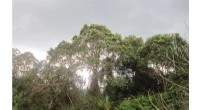
* Forests: Densely populated with trees, further divided into types like tropical rainforests, temperate deciduous forests, and coniferous forests.
* Grasslands: Dominated by grasses and other herbaceous plants, found in diverse climates like savannas, prairies, and steppes.
* Deserts: Sparsely vegetated, characterized by arid conditions and specialized plants adapted to low rainfall.
* Tundra: Cold, treeless regions dominated by low-growing plants, often found in high latitudes or high altitudes.
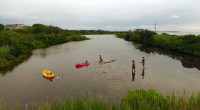
* Aquatic biomes: Include oceans, lakes, rivers, and wetlands, supporting a diverse range of plant and animal life.
Understanding vegetation zones is essential for:
* Conservation efforts: Knowing the specific needs of plants within each zone helps protect biodiversity and ecosystems.
* Climate change research: Studying vegetation changes over time can reveal the impact of climate change on plant communities.
* Agriculture and forestry: Understanding the suitability of different regions for specific crops or tree species.
By recognizing the intricate relationships between climate, soil, and plant life, we gain a deeper appreciation for the incredible diversity of Earth's ecosystems.