Challenges:
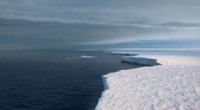
* Extreme Weather: Snow islands are characterized by harsh weather conditions, including blizzards, freezing temperatures, and limited sunlight. These conditions make outdoor activities difficult and require specialized gear and infrastructure.
* Limited Resources: Food sources are scarce, primarily relying on hunting and fishing. Fresh water is limited to melting snow and ice. Resources like wood for building and fuel are also scarce.
* Isolation: Snow islands are often isolated from the mainland, making transportation and communication challenging. This isolation can lead to limited access to medical care, supplies, and social interaction.
* Terrain: The snow and ice cover can create treacherous terrain, posing risks for travel and construction.
Adaptations:
* Sustainable Practices: Residents of snow islands have developed sustainable practices to survive, such as conserving resources, using renewable energy sources (e.g., wind and solar), and practicing responsible hunting and fishing.
* Specialized Skills: Skills like ice fishing, snowshoeing, dog sledding, and building ice shelters are essential for survival.
* Traditional Knowledge: Indigenous cultures that have lived on snow islands for generations possess invaluable knowledge of the environment, weather patterns, and survival techniques.
* Technological Innovation: Technology plays a crucial role in overcoming the challenges of living on a snow island. This includes satellite communication, GPS navigation, and advanced clothing and equipment.
Impact on Culture:
* Community: The harsh environment fosters strong community ties as people rely on each other for survival.
* Spiritual Connection: The natural environment plays a significant role in the spiritual beliefs and practices of many snow island communities, often leading to a deep respect for nature.
* Artistic Expression: The beauty and challenges of the environment are reflected in traditional art, storytelling, and music.
Examples:
* Inuit communities in the Arctic: These communities have adapted to the harsh conditions of snow islands for centuries, developing unique hunting techniques, building snow shelters, and maintaining a rich cultural heritage.
* Researchers at polar stations: Researchers working in polar regions rely on technology and specialized skills to survive and conduct their research.
Overall, the natural environment of a snow island presents both challenges and opportunities. Human activity is shaped by the need to adapt to the extreme conditions, utilize limited resources, and maintain a connection with the natural world. This unique interplay creates a fascinating and resilient culture on snow islands.