1. Herbivores:
* Insects: Caterpillars, aphids, beetles, grasshoppers, etc. They consume plant leaves, stems, roots, and even flowers.
* Mammals: Deer, rabbits, squirrels, etc. These animals can browse on leaves, stems, and bark, sometimes causing significant damage.
* Birds: Some birds, like sparrows and finches, can eat seeds and buds, while others, like woodpeckers, may damage trees by drilling into the bark.
* Other: Snails, slugs, and even some fish can also cause damage to plants.
2. Pathogens:
* Bacteria: Cause diseases like bacterial blight, wilt, and cankers.
* Fungi: Responsible for fungal diseases such as rusts, mildews, and root rots.
* Viruses: Can infect plants and lead to stunted growth, discoloration, and even death.
* Phytoplasmas: These are bacterial-like organisms that can cause diseases like witches' broom and yellows.
* Nematodes: Microscopic roundworms that feed on plant roots, causing damage and reducing nutrient uptake.
3. Environmental Stress:
* Drought: Lack of water can lead to wilting, leaf drop, and even death.
* Flooding: Excess water can drown roots and lead to root rot.
* Extreme temperatures: Both extreme heat and cold can damage plants.
* Salt: High levels of salt in the soil can be toxic to plants.
* Air pollution: Gases like ozone and sulfur dioxide can damage leaves and reduce photosynthesis.
4. Competition:
* Weeds: Other plants can compete for resources like light, water, and nutrients.
* Other plants: Even plants of the same species can compete with each other for resources.
5. Humans:
* Agricultural practices: Over-fertilization, pesticide use, and poor soil management can damage plants.
* Urbanization: Development and construction can destroy natural plant habitats.
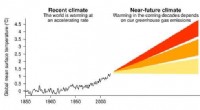
* Climate change: Rising temperatures and changes in precipitation patterns can disrupt plant growth and survival.
It's important to note that plants have also evolved a variety of defenses to protect themselves from these enemies. Some of these defenses include thorns, toxins, and chemical signals that attract beneficial insects.