Here are some of the key factors that disrupt the balance of nature:
Human Activities:
* Habitat Loss and Fragmentation: Deforestation, urbanization, and agricultural expansion destroy and isolate natural habitats, reducing biodiversity and disrupting food chains.
* Pollution: Air, water, and soil pollution from industrial activities, agriculture, and waste disposal contaminate ecosystems, harming organisms and their food sources.
* Overexploitation: Overfishing, poaching, and unsustainable harvesting of natural resources deplete populations and disrupt ecological processes.
* Climate Change: Rising temperatures, altered precipitation patterns, and extreme weather events disrupt ecosystems, leading to shifts in species distribution, habitat loss, and changes in food webs.
* Introduction of Invasive Species: The introduction of non-native species can outcompete native species, disrupting food chains and causing ecological imbalances.
* Genetic Modification: The introduction of genetically modified organisms can have unintended consequences, impacting natural ecosystems and altering genetic diversity.
Natural Events:
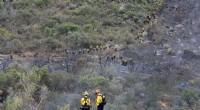
* Natural Disasters: Volcanic eruptions, earthquakes, tsunamis, and wildfires can cause widespread devastation, disrupting ecosystems and altering species populations.
* Disease Outbreaks: Epidemics and pandemics can decimate populations, particularly if they target keystone species that play critical roles in the ecosystem.
* Climate Fluctuations: Natural variations in climate, such as El Niño and La Niña, can cause significant changes in weather patterns, leading to ecological disturbances.
Other Factors:
* Competition: Intense competition between species for resources like food, water, and space can alter species populations and disrupt the balance of the ecosystem.
* Predator-Prey Relationships: Changes in predator or prey populations can ripple through an ecosystem, impacting other species and disrupting the balance.
* Parasitism and Disease: Parasites and diseases can significantly impact populations, leading to imbalances in the ecosystem.
Consequences of Disruption:
* Loss of Biodiversity: Disruptions in ecological balance can lead to the extinction of species, reducing biodiversity and making ecosystems more vulnerable to future disturbances.
* Ecosystem Instability: Disrupted ecosystems become more susceptible to invasive species, disease outbreaks, and other threats, making them less resilient.
* Reduced Ecosystem Services: The loss of ecological balance can diminish essential ecosystem services, such as clean water, air, pollination, and climate regulation.
Protecting the Balance:
* Conservation Efforts: Protecting and restoring natural habitats, managing resources sustainably, and combating pollution are crucial steps in preserving ecological balance.
* Climate Action: Reducing greenhouse gas emissions and adapting to climate change are essential for mitigating its impacts on ecosystems.
* International Cooperation: Global collaboration is necessary to address transboundary issues like pollution, invasive species, and climate change.
By understanding the factors that disrupt the balance of nature, we can take steps to protect our planet's ecosystems and ensure a sustainable future for all.