Here's why:
* Living things (biotic factors): Ecosystems include all the plants, animals, fungi, bacteria, and other organisms that live within a specific area.
* Non-living things (abiotic factors): Ecosystems also include the physical and chemical components of the environment, such as sunlight, water, temperature, soil, and minerals.
* Interactions: The living and non-living components of an ecosystem interact in complex ways, forming a dynamic web of life. For example, plants use sunlight, water, and soil nutrients to grow, while animals depend on plants for food.
Examples of ecosystems:
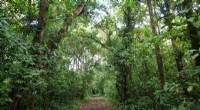
* Forest: Trees, animals, insects, fungi, soil, sunlight, and rainfall.
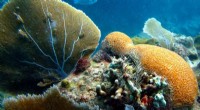
* Coral reef: Corals, fish, invertebrates, algae, seawater, sunlight.
* Desert: Cactus, reptiles, insects, sand, extreme temperatures.
* Pond: Aquatic plants, fish, frogs, bacteria, water, sunlight.
Let me know if you have any other questions!