Here's a breakdown:
What makes something a natural living thing?
* Biological origin: They are born from other living things through biological processes like reproduction.
* Growth and development: They grow and change over their lifespan.
* Metabolism: They take in nutrients and energy to sustain themselves and carry out life processes.
* Response to stimuli: They react to changes in their environment.
* Adaptation: They can evolve over time to better suit their environment.
Examples of natural living things:
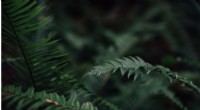
* Plants: Trees, flowers, grasses, ferns, etc.
* Animals: Mammals, birds, reptiles, amphibians, fish, insects, etc.
* Fungi: Mushrooms, molds, yeasts, etc.
* Bacteria: Single-celled organisms that are vital for many ecosystems.
* Viruses: While debated whether they are truly living, they are found in nature and can replicate.
Things that are NOT natural living things:
* Artificial life: Life forms created through human intervention, like artificial intelligence or synthetic biology.
* Inanimate objects: Rocks, water, air, etc.
It's important to note that the term "natural" can be subjective. For example, some might argue that a domesticated dog, while ultimately descended from wild wolves, is not a purely natural living thing due to human intervention.
Ultimately, the term "natural living things" refers to the vast diversity of life that exists without human manipulation.