Similarities:
* Both are influenced by the same factors: Both microclimates and climates are influenced by factors such as:
* Latitude: Affects solar radiation and temperature.
* Altitude: Higher altitudes are typically cooler and have less atmospheric pressure.
* Topography: Landforms like mountains and valleys can create microclimates and influence larger climates through their impact on air circulation and precipitation.
* Proximity to water: Water moderates temperatures and influences precipitation patterns.
* Vegetation: Plants influence the microclimate around them by affecting humidity, air flow, and ground temperature.
* Human activities: Urban heat islands and deforestation can alter both microclimates and regional climates.
* Both involve atmospheric conditions: Both microclimates and climates involve variations in temperature, precipitation, humidity, wind, and other atmospheric factors.
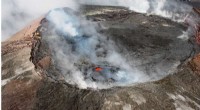
* Both are dynamic and can change over time: Both microclimates and climates can be influenced by changes in these factors, such as seasonal shifts, long-term trends, or sudden events like volcanic eruptions.
Key Differences:
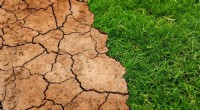
* Scale: Microclimate refers to localized weather patterns, often confined to a small area like a garden, a building, or even a single tree. Climate, on the other hand, refers to the average weather conditions over a larger area, such as a city, a region, or even the entire globe.
* Time Scale: Microclimates can change rapidly and fluctuate throughout the day, while climate represents long-term averages over decades or centuries.
In essence, microclimate is a smaller version of climate, reflecting the specific atmospheric conditions within a small, localized area, influenced by the same factors that affect larger-scale climate.