Plants provide for animals:
* Food: Plants are the primary producers in most ecosystems. They convert sunlight into energy through photosynthesis and store it as sugars, which animals consume for their nourishment. This includes everything from herbivores eating leaves and fruits to omnivores and carnivores who rely on herbivores for food.
* Oxygen: Plants release oxygen as a byproduct of photosynthesis. Animals breathe in this oxygen, which is essential for their respiration and survival.
* Shelter: Plants provide habitats for animals. Trees offer shelter, nesting sites, and shade, while grasses and shrubs offer hiding places and protection from predators.
* Medicinal properties: Many plants have medicinal properties that animals use to treat illnesses and injuries.
Animals provide for plants:
* Pollination: Many plants rely on animals, especially insects, birds, and bats, to transfer pollen between flowers. This process is crucial for fertilization and the production of seeds.
* Seed dispersal: Animals eat fruits and seeds, then spread them through their droppings, helping plants colonize new areas. Some animals also bury seeds for later consumption, leading to new plant growth.
* Nutrient cycling: Animals help cycle nutrients through the ecosystem by decomposing organic matter. Their waste products and decaying bodies release nutrients back into the soil, making them available for plants to use.
* Pest control: Animals can help control populations of insects that would otherwise damage plants. Birds eat insects, while bats help control mosquitoes.
Examples of this interdependence:
* Bees and flowering plants: Bees collect nectar and pollen from flowers, which they use for food. In the process, they inadvertently pollinate the flowers, allowing them to reproduce.
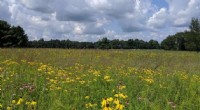
* Cattle and grasslands: Cattle graze on grasses, helping to keep them short and healthy. In turn, the grasslands provide food and shelter for the cattle.
* Elephants and acacia trees: Elephants eat acacia tree leaves and branches. They also use their trunks to knock down branches, creating openings in the canopy that allow sunlight to reach other plants.
Consequences of disruption:
* If the relationship between plants and animals is disrupted, it can have significant consequences for both. For example, if pollinators decline, many plants would struggle to reproduce.
* Similarly, if animals overgraze or destroy habitats, it can lead to plant loss and ecosystem collapse.
In conclusion, animals and plants are intricately linked in a delicate balance. They rely on each other for survival, and their well-being is intertwined. Understanding and preserving this relationship is crucial for maintaining a healthy and vibrant planet.