Geographic Locations:
* High Latitudes: Arctic and Antarctic regions experience extreme cold, limited sunlight, and short growing seasons, leading to low species diversity.
* High Altitudes: Mountains have harsh conditions, including cold temperatures, strong winds, and thin air, which can limit the number of species that can survive.
* Deserts: Dry, hot deserts have limited water availability, which restricts the types and abundance of plants and animals that can thrive.
* Open Oceans: The open ocean, while vast, has relatively low biodiversity due to limited nutrients and the challenges of surviving in deep, dark waters.
Human-Impacted Areas:
* Urban Areas: High population density and habitat loss due to urbanization lead to decreased biodiversity.
* Agricultural Lands: Monoculture farming practices (growing single crops) reduce habitat diversity and limit species richness.
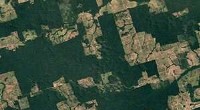
* Deforestation: Clearing forests for timber or agriculture destroys habitats and reduces biodiversity.
* Pollution: Air, water, and soil pollution can harm or kill species, leading to biodiversity loss.
Specific Examples:
* The Sahara Desert: One of the largest deserts in the world, it has very low biodiversity due to its extreme dryness and heat.
* The Greenland Ice Sheet: The vast ice sheet covering Greenland supports limited life due to its harsh, cold environment.
* The Atacama Desert: Located in Chile, it is considered the driest desert on Earth, with very low biodiversity.
* The open ocean: While it covers most of the Earth's surface, the open ocean has relatively low biodiversity due to limited nutrients and harsh conditions.
It's important to note:
* Biodiversity is not uniformly distributed: There can be areas of high biodiversity within regions that generally have low biodiversity. For example, oases in deserts can support a diversity of life.
* Human activity is a major driver of biodiversity loss: As human populations grow and consume more resources, the negative impacts on biodiversity are increasing.
It is essential to protect and conserve biodiversity in all regions, particularly in areas that are experiencing low biodiversity due to natural or human-induced factors.