1. Variation in environmental conditions:
* Sunlight: The forest floor receives much less sunlight than the canopy. This creates distinct ecosystems with different plants and animals adapted to these light conditions.
* Moisture: Areas near streams and rivers are generally wetter than drier areas on hillsides, supporting different plant and animal life.
* Temperature: Microclimates exist within forests due to differences in elevation, slope, and canopy density. These temperature variations create habitats suitable for different species.
* Soil type: The type of soil, its fertility, and drainage capabilities influence the types of plants that can grow, leading to distinct ecosystems.
2. Presence of different species:
* Different plant species: The presence of different plant species creates diverse habitats. Trees provide shade and shelter, while shrubs offer nesting sites, and herbaceous plants provide food sources.
* Different animal species: Each animal species has specific habitat requirements. Some animals prefer the forest floor, while others reside in the canopy or burrow underground. This specialization leads to niche separation and the formation of distinct ecosystems.
3. Spatial heterogeneity:
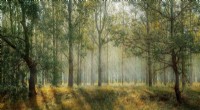
* Forest structure: Forests are not homogenous. They have different layers (canopy, understory, forest floor) and a variety of microhabitats within each layer.
* Disturbances: Natural disturbances like fire, windstorms, and insect outbreaks can create gaps in the forest canopy, opening up new areas for colonization and creating unique ecosystems.
4. Connectivity:
* Ecological interactions: The different ecosystems within a forest are connected through complex interactions among species. For example, animals may move between different areas to find food, shelter, or breeding grounds.
In summary: The complex interplay of environmental factors, species interactions, and spatial heterogeneity creates a mosaic of distinct ecosystems within a forest. This diversity allows for a wide range of species to coexist and thrive, making forests some of the most biodiverse habitats on Earth.