Here's a breakdown:
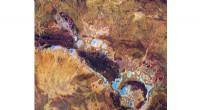
* Abiotic Factors: The physical environment, like climate, geology, and water, are the foundational elements. These set the stage for what can live in a given area.
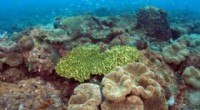
* Biotic Factors: Life itself, starting with the first organisms, is the active force shaping an ecosystem. These organisms interact, compete, cooperate, and evolve, leading to a dynamic system.
* Time and Change: Ecosystems are constantly evolving. They are not static, but change over time due to factors like climate shifts, natural disasters, and human influence.
Therefore, it's inaccurate to pin down a single "original source" for an ecosystem:
* The "source" could be the initial abiotic conditions that allowed life to arise. This could be a specific geological formation, a particular climate pattern, or a unique combination of factors.
* The "source" could be the first species that colonized the area. These pioneering organisms, like lichens or bacteria, paved the way for more complex communities to develop.
* The "source" could be the ongoing interaction of abiotic and biotic factors. Ecosystems are constantly changing, with new species arriving, existing ones disappearing, and the environment adapting.
In summary:
Ecosystems are complex systems arising from the interplay of abiotic and biotic factors over time. It's inaccurate to pinpoint a single "original source" as they are constantly evolving and adapting.